
99 Nights Survival Systems — Campfire, Food & Crafting
Updated Oct 10, 2026
Keep the fire lit, plan food for travel, and unlock the bench tools your run needs.
On this page
Quick answer
A steady 99 Nights run has three connected jobs: keep the campfire fueled, carry enough food to return from an expedition, and turn wood and scrap into useful camp tools. The crafting bench does not offer one fixed “best” sequence for every group; choose the next build by the problem your run has now.
Keep the campfire working
The game wiki's Campfire reference describes a fire that burns fuel continuously. Adding enough fuel raises it through six levels. Higher levels expand the explorable map and the safe zone around camp. Rain and blizzards can drain fuel faster, so a fire that looked comfortable at noon may need attention before night.
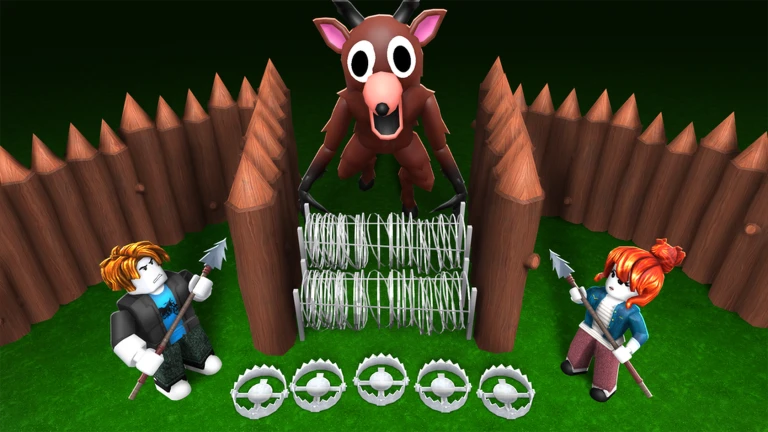
The safe zone scares away The Deer and several wild threats, but cultists can enter camp. Do not treat the ring of light as cover from every attack. If the fire burns out, the safe zone disappears; the map, fire cooking and flashlight recharge are unavailable until it is relit. Keep some fuel at camp before leaving for a distant cave. Logs, coal and fuel canisters all work, while later levels require more fuel than early ones. The fire's level and its remaining fuel are both worth checking.
Feed the team before a long trip
The Hunger reference says the hunger bar falls over time and drains faster while sprinting. An empty bar can lead to starvation. Food comes from crops, some animals, loot in structures, and crafted sources. A Farm Plot produces food over time; a Crock Pot turns ingredients into meals once the bench tier unlocks it.
Before a rescue trip, eat and carry food rather than assuming the next structure will have some. On the return, use the campfire to cook raw food while it is lit. The food list records different hunger values and bonuses; a stack of weak items is not interchangeable with a full meal.
Pick the next craft from the bench
The Crafting reference lists a Map and the next bench upgrade in Tier 1. Tier 2 opens the Farm Plot, Compass, weather-aware wood storage and basic camp defenses. Tier 3 opens the Crock Pot, Biofuel Processor, Radar and other tools. Materials go through the Grinder for wood or scrap; check the recipe in game before using the same supply to fuel the fire.
That order is an unlock path, not a shopping mandate. If your group gets lost, a map and compass are more useful than extra furniture. If food runs short, build toward food production. If late fire levels consume your collected wood quickly, look at the fuel-production tools. Axes and weapons are important to find and use, but the wiki's early bench list does not support a blanket instruction to craft an axe before the map.
A short check before nightfall
For the cave objective, use the missing-children rescue guide alongside this resource checklist.
Reviewed 10 October 2026 against the 99 Nights in the Forest Wiki's Campfire, Hunger and Crafting references. Recipes and balance can change with updates; check the in-game bench for current costs.
A short check before nightfall
- Check the fire's remaining fuel and the weather; leave a reserve at camp.
- Check each player's food before anyone takes a long route away from the safe zone.
- Use wood and scrap on the bench upgrade or tool that solves the group's current bottleneck.
- Plan the return before dark
Cultist attacks can still reach camp even with the fire lit.